Presenter Bios
Presenters in order of presentation
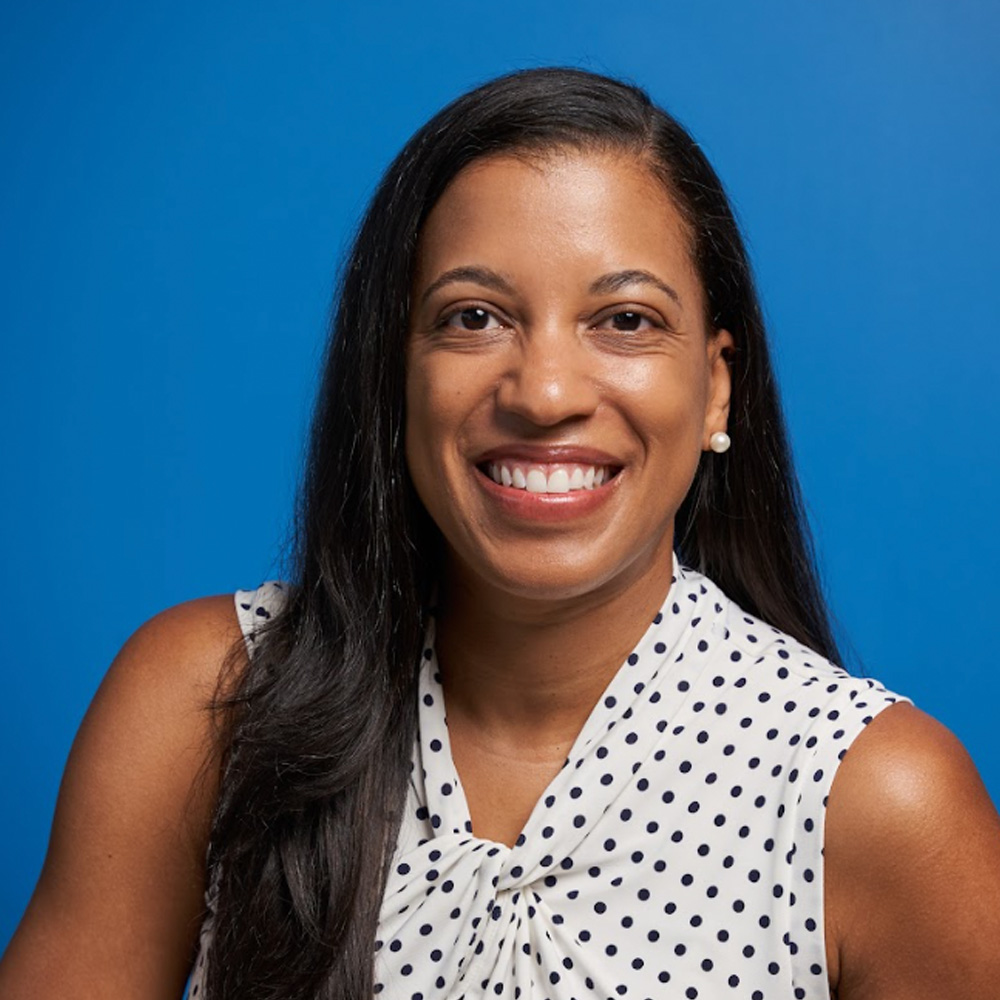
Amber Berry is the inaugural Vice President of AI and Strategy for Middle States Association (MSA). She is the co-founder of RAIL: Responsible AI in Learning, a series of endorsements that provide schools with access to an AI implementation framework. The MSA team is working with more than 77 schools in 30 countries across six continents, impacting more than 70,000 students since its launch in 2024. Endorsement 1 is in AI Literacy, Safety & Ethics (Stay Safe, Stay Ahead), and endorsement 2 is the Essential Learning Experience with AI (Responsible AI, Powerful Learning).
By background, Amber worked in public and independent schools for 15 years, most recently at St. Luke’s School in Connecticut. She started in schools as a French teacher, then joined the leadership team as World Language Department Chair, the Director of Teaching Fellows, and Middle School principal. Amber has a special interest in school change with an emphasis on teacher growth and development.
Amber earned a BA from Princeton University in French and Italian with minors in African American Studies and The Program in Teacher Preparation. She went on to earn her MA in French linguistics and pedagogy from Middlebury College and her MEd in Private School Leadership from Columbia University Teachers College Klingenstein Program. She also earned a mini-MBA in AI for Business through Section School. She is a member of Excelle Collective for women in educational leadership.
After taking control of her health, Amber has become an advocate for lifestyle change by sharing her journey to reverse Type 2 Diabetes. She actively supports the Children’s Hospital of Philadelphia (CHOP), where she and her husband serve on the Young Leadership Alliance. Amber also serves on the foundation board of Wissahickon Charter School in Philadelphia, Pennsylvania. Related to her work at MSA, she also offers AI 101 for Parents as a passion project to friends and community members. On weekends, Amber embraces her role as an NFL wife, cheering on the Philadelphia Eagles alongside her two sons.
Presenting From Mission to Mindful Tech: Raising Future‑Ready Kids in the Age of AI
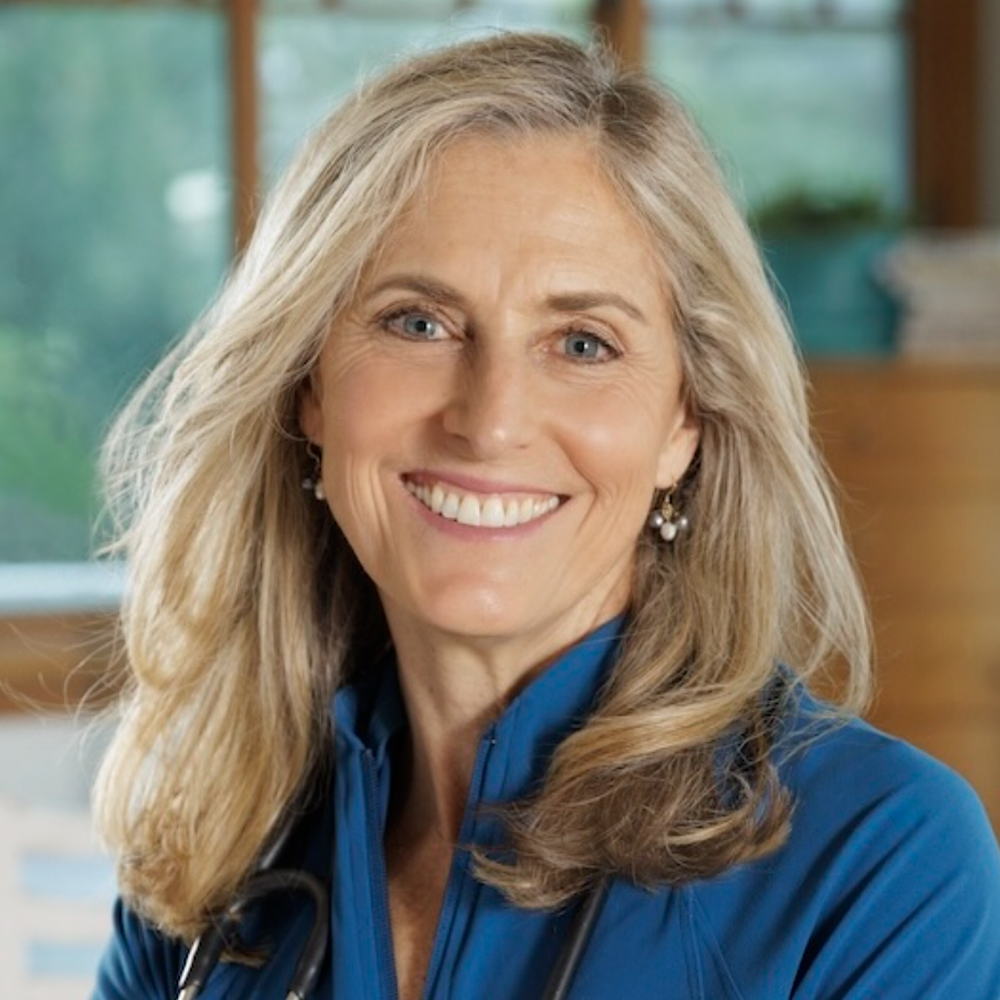
Delaney Ruston is a filmmaker, Fulbright Scholar, and Stanford-trained physician whose award-winning four Screenagers documentaries have thus far brought over 14 million youth and adults together in more than 90 countries to address youth, technology, and mental health. Ruston is a widely sought-after expert on youth and screen time and has spoken at organizations such as Google, Facebook, The Aspen Institute, major national conferences, and leading medical centers. Her insights have been featured in outlets including Good Morning America, NPR, and The New York Times.
Prior to the Screenagers films, Ruston created internationally recognized mental health documentaries and collaborated with organizations such as the World Health Organization and NAMI. In addition, Dr. Ruston continues her passion as a physician, caring for teens and adults in community clinics.
Presenting Raising Healthy Humans in a Tech-Saturated World: What Actually Works
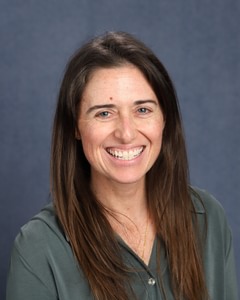
Rachel Lugo is a sixth-grade teacher at McLean School, where she designs concept-based, inquiry-driven units that support neurodiverse learners, particularly those with ADHD and dyslexia. She is also a PhD student in Education, specializing in Learning Technologies Design Research at George Mason University, where her research focuses on how generative AI can support critical thinking, Universal Design for Learning (UDL), and student voice. Rachel has presented nationally and internationally on blended learning, concept-based inquiry, and AI in education, including sessions at the Society for Information Technology and Teacher Education (SITE), the Educational Advances in Artificial Intelligence conference (EAAI), and the Concept-Based Inquiry Learning Labs. Her work bridges classroom practice and research, emphasizing inclusive design and ethical integration of AI tools to amplify student agency.
Faculty Presentation: How AI Learns . . . And Sometimes Gets It Wrong
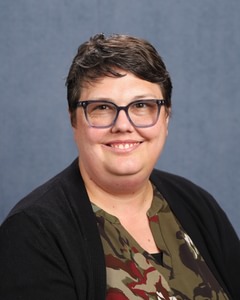
Jennifer is a middle school mathematics educator and Grade 7 Team Leader at McLean School, with over 22 years of classroom teaching experience. She holds a Master of Science in Educational Leadership and is a practitioner of Building Thinking Classrooms, centering connection before content to promote deep thinking, engagement, and support for neurodiverse learners. She integrates artificial intelligence into her teaching practice by creating question banks, designing lesson plans, and developing clear explanations of mathematical concepts. She enjoys investigating innovative ways to use AI to improve instructional clarity, efficiency, and responsiveness. Her passions include math, teaching math, reading, and continuous learning. Jennifer is also passionate about presenting at conferences, including the National Council of Teachers of Mathematics (2023), Building Thinking Classrooms Conferences (2024, 2025), and the Learning Disabilities Association of America Annual Conference (2026).
Faculty Presentation: Solve for X (with AI): Making Math Click in the Digital Age
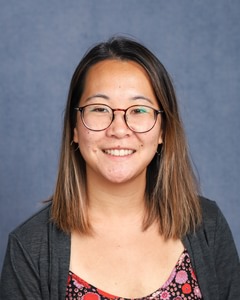
Doris Nhan, Moderator
K-12 Academic Technology Specialist
Doris Nhan is the K-12 academic technology specialist at McLean School. Before stepping into this role, she was a 6th grade teacher at McLean School, as well as a 5th grade teacher at a public school in Virginia. She brings over a decade of experience working directly with students and supporting teachers with meaningful technology integration. Doris is passionate about partnering with educators to strengthen instructional practices, deepen student learning, and use technology with purpose. Doris has designed and facilitated a number of professional development sessions that emphasize AI literacy and support teachers in using AI tools effectively in both their classrooms and their work. She is especially interested in AI’s role in reshaping educational pedagogy and the potential it has to level the playing field for neurodiverse as well as socioeconomically disadvantaged learners. She works closely with teachers and students to engage with these technologies ethically and thoughtfully with the ultimate goal of enhancing critical thinking without replacing the learning process. Doris most recently presented a session at ISTELive 24 about leveraging technology and choice to support neurodiverse learners.
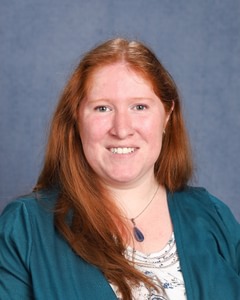
Elizabeth Marsden
Upper School History Teacher
Elizabeth Marsden is a current McLean Upper School History teacher and PhD candidate in political science whose work bridges political science, international education, and secondary humanities instruction. She is broadly interested in examining education systems, youth outcomes, and the diffusion of pedagogical innovation, with particular attention to how schooling intersects with inequality and social change. She has previously presented peer-reviewed research at multiple international conferences, including the Comparative and International Education Society (CIES) annual conferences in Chicago and Miami. Her professional research and writing have also appeared in institutional reports and policy-oriented publications addressing inclusive education, teacher professional development, and sustainable systems change, while her academic work includes papers and presentations on privacy and technology, race and gender equity, and historical memory.
Alongside her research, Elizabeth is also an experienced secondary humanities educator who has taught social studies both in the United States and abroad for seven years. Her current pedagogical interests include exploring effective and ethical use of artificial intelligence in high school humanities classrooms—particularly how AI tools can support student research processes, historical thinking, and analytical writing without undermining disciplinary skills or academic integrity. She is especially interested in how AI can be leveraged to scaffold inquiry, and revision for diverse learners, while still prioritizing the core humanities practices of argumentation, evidence-based reasoning, and individual voice.
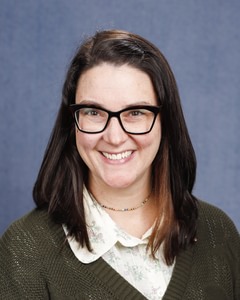
Kristen Murphy
Upper School Literature Teacher
Kristen Murphy is a Upper School Literature Teacher at the McLean School, where she combines her love of language with a deep understanding of how students learn best. Drawing on her background in cognitive science and adolescent development, Kristen designs classroom experiences that help neurodiverse learners build empathy, confidence, and critical thinking through stories.
With more than 20 years of experience as an ELA educator and learning specialist, she holds a BA in English and a Teaching Certificate from St. Joseph’s University, as well as an MS in Educational Studies and graduate certificates in the Mind, Brain, and Teaching and Autism Studies from Johns Hopkins University. In her literature classes, Kristen integrates technology and AI tools to support executive functioning, spark creativity, and remove barriers to literacy. Her approach keeps the human connection at the center using innovation not just to assist learning but to deepen understanding and engagement. Outside of school, Kristen enjoys hiking with her family and swapping book and Netflix recommendations with her students.
Minh Pham
Grade 8 Physical Science and Robotics Teacher
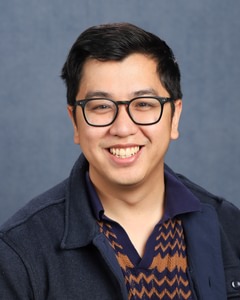
Minh Pham is an 8th Grade Physical Science and Robotics teacher at McLean School. He is in his fourth year at McLean and his ninth year overall as an educator. Minh’s work centers on supporting students with learning differences through hands-on, project-based learning that emphasizes growth, creativity, and independence. This year, his focus has been on integrating artificial intelligence tools into the Engineering Design Process to enhance access while maintaining high expectations for student thinking and problem-solving. At McLean, AI serves as a scaffold - not a shortcut - supporting students from ideation and planning through building, testing, and refinement. Minh is currently exploring the use of Google Gemini as a collaborative tool that helps students ask better questions, reflect on their work, and deepen their understanding throughout long-term engineering projects. He is passionate about using emerging technologies thoughtfully to help all learners engage more fully, develop confidence, and experience meaningful success in the classroom.
Julia Ewart
Grade 6 Teacher
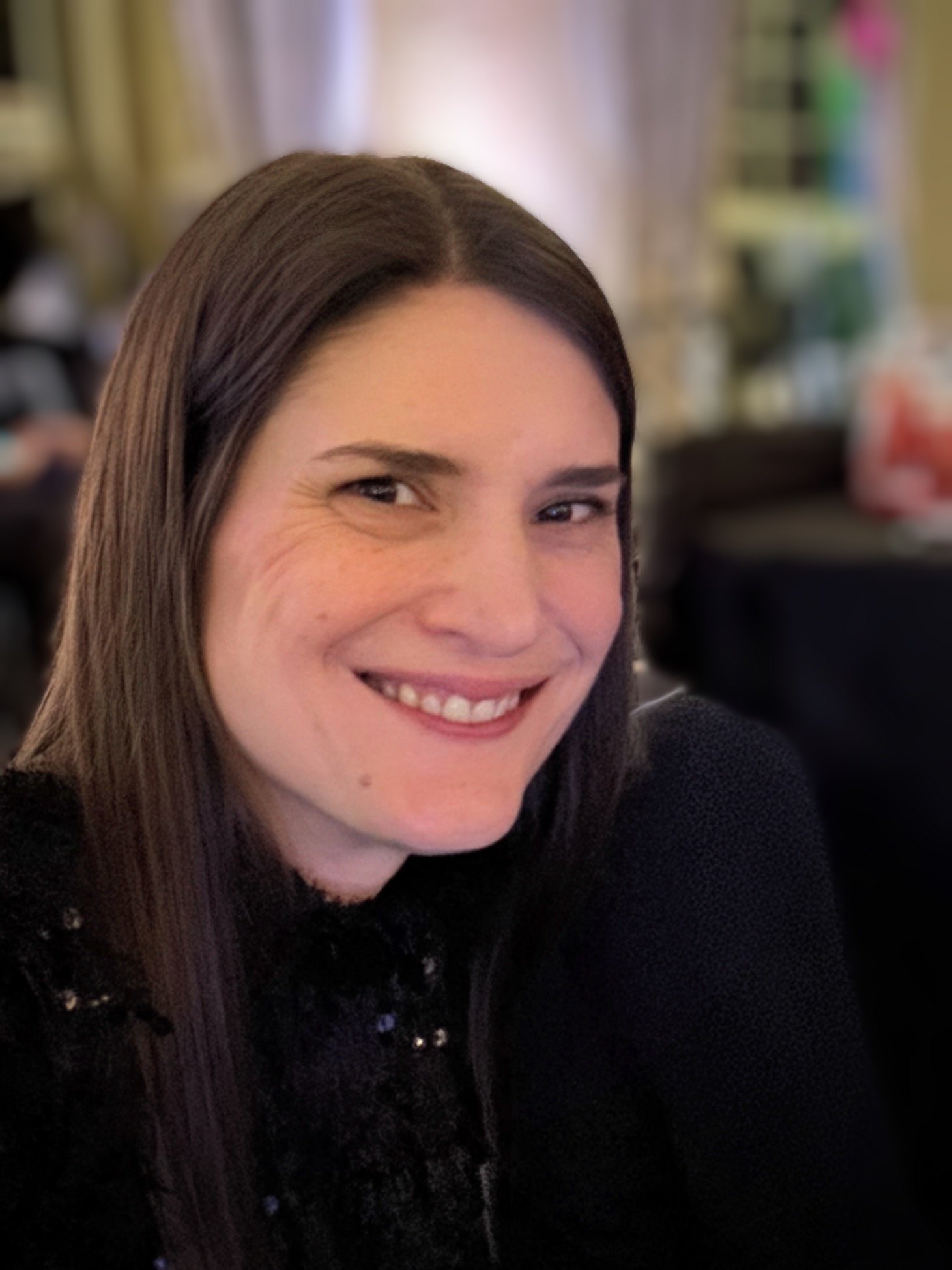
Julia Ewart is a 6th grade teacher at McLean School, where she designs student-centered learning experiences that integrate literacy, inquiry, and emerging technologies across disciplines. With experience as both a Media Specialist and Director of Educational Technology and Innovation, Julia brings a strong foundation in instructional design, information literacy, and purposeful technology integration. Her current work explores how AI can support—rather than replace—student thinking, helping learners develop critical thinking skills, ethical research practices, and authentic academic voices. She is passionate about leveraging AI to deepen engagement and metacognitive awareness while preparing students for life beyond the classroom.
Faculty Panel Presentation: Teaching with Tech: Stories About AI and Other Tools In Neurodiverse Classrooms
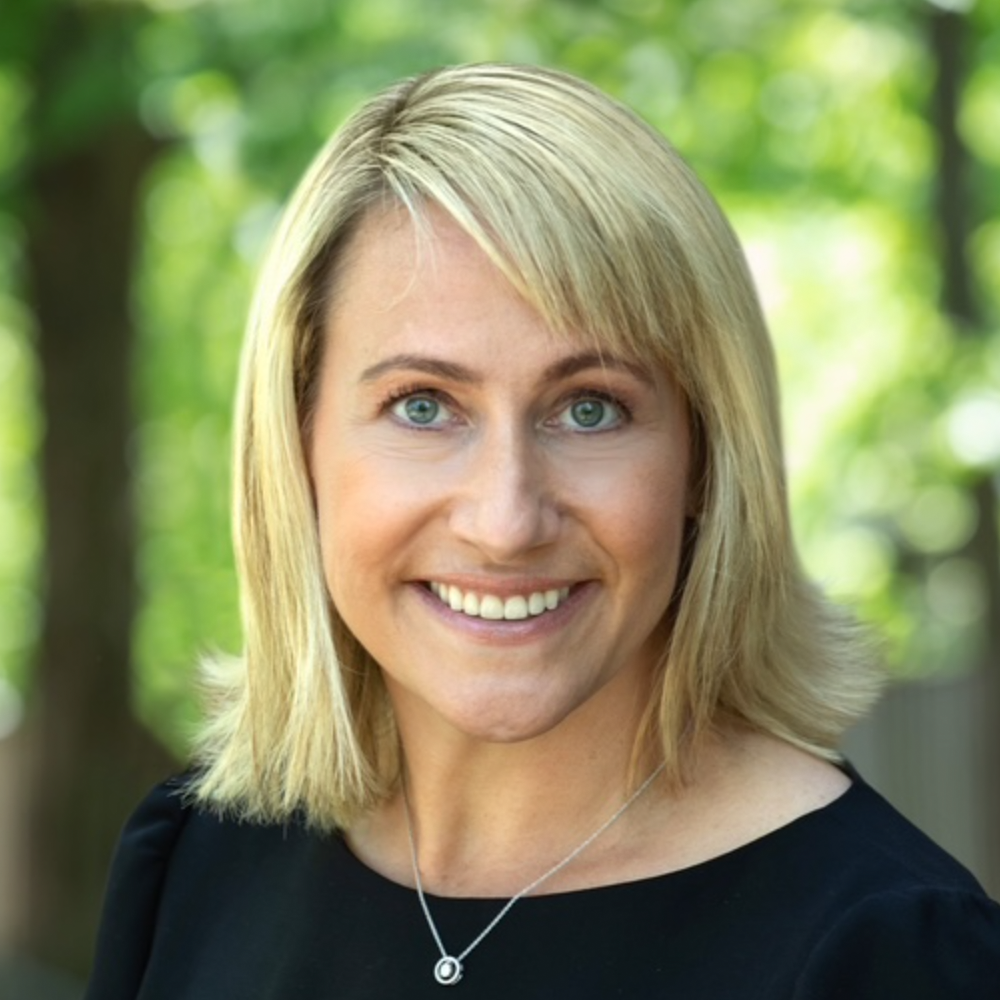
Phyllis L. Fagell is a licensed mental health therapist at The Chrysalis Group, Inc., and the consulting counselor at Landon School, both in Bethesda, Maryland. She’s the author of Middle School Matters, The 10 Key Skills Kids Need to Thrive in Middle School and Beyond – and How Parents Can Help (Hachette, 2019) and Middle School SuperPowers, Raising Resilient Tweens in Turbulent Times (Hachette, 2023). Phyllis contributes to many media outlets, including The Washington Post, CNN, and U.S. News & World Report, and her ideas have been featured in publications such as The New York Times, The Atlantic, The New Yorker, The Chicago Tribune, and NPR. She lives in Bethesda with her husband and three children.